
Finland Had the Rule. It Took Seven Months to Apply It.
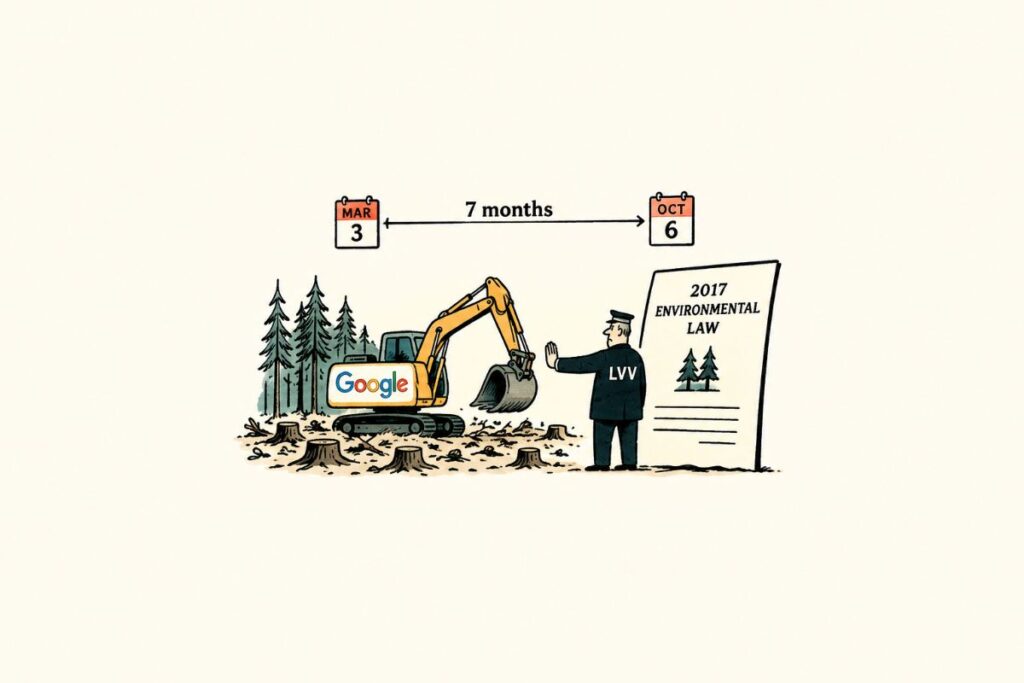
Finland has spent the year debating what to ask of data centers. On 6 October an authority told Google to stop clearing land at two sites, under a law from 2017. The clearing began in March. The gap between those dates is the story.
The Wrong Pension Number
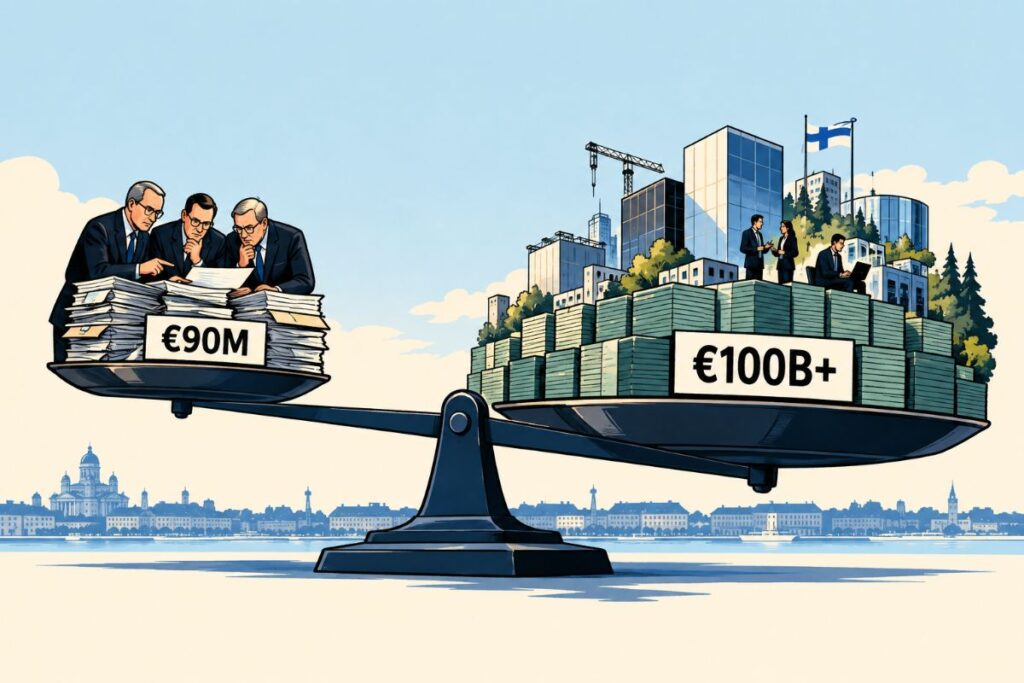
Finland’s pension companies are debating mergers and administrative costs. The number that actually matters is far larger. It surfaced on the first day of the debate and was gone within the week.
Finland Took Away the Subsidy. Google Came Anyway.
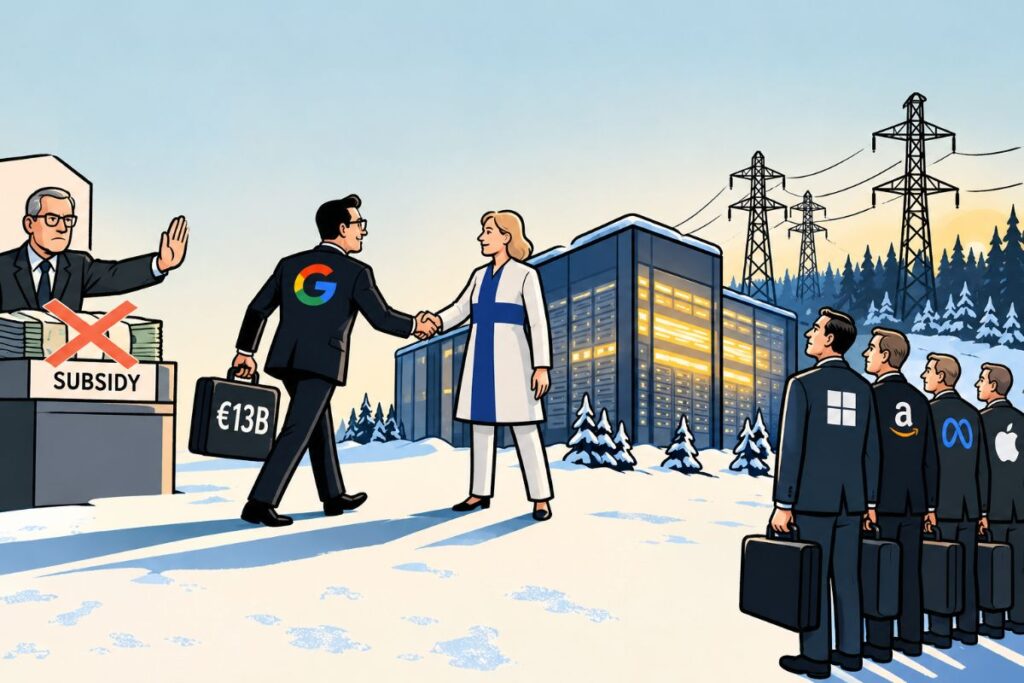
Finland cut its planned data center subsidy, and eight days later Google committed €13 billion. The country holds a scarce asset: fast access to clean power. The real price risk sits in roughly a hundred winter hours a year, and that is where Finland’s leverage should go.
Finland Didn’t Just Join NATO. It Stopped Asking Permission.

Finland always defended itself seriously, but treated defense as a business with caution. In four years that flipped: Iceye is worth €10.5bn and Sensofusion heads to the exchange. The companies were built long before. What changed was the permission around them.
Finland Is Building Data Centers Faster Than It Is Deciding Who Gets the Power
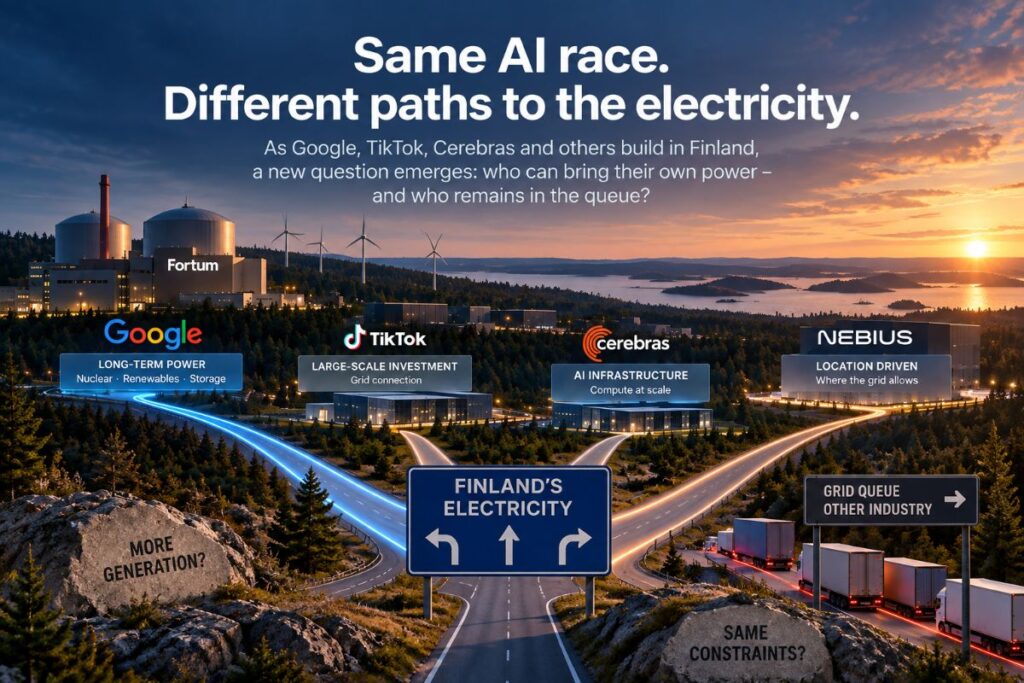
Google just signed a 22-year deal for half of a nuclear plant’s output. TikTok and Cerebras are still just tenants leasing capacity from developers. What that gap reveals about who gets to build around Finland’s electricity constraint, and who stays stuck in the queue.
Finland Builds Well. It Doesn’t Always Own What It Builds.
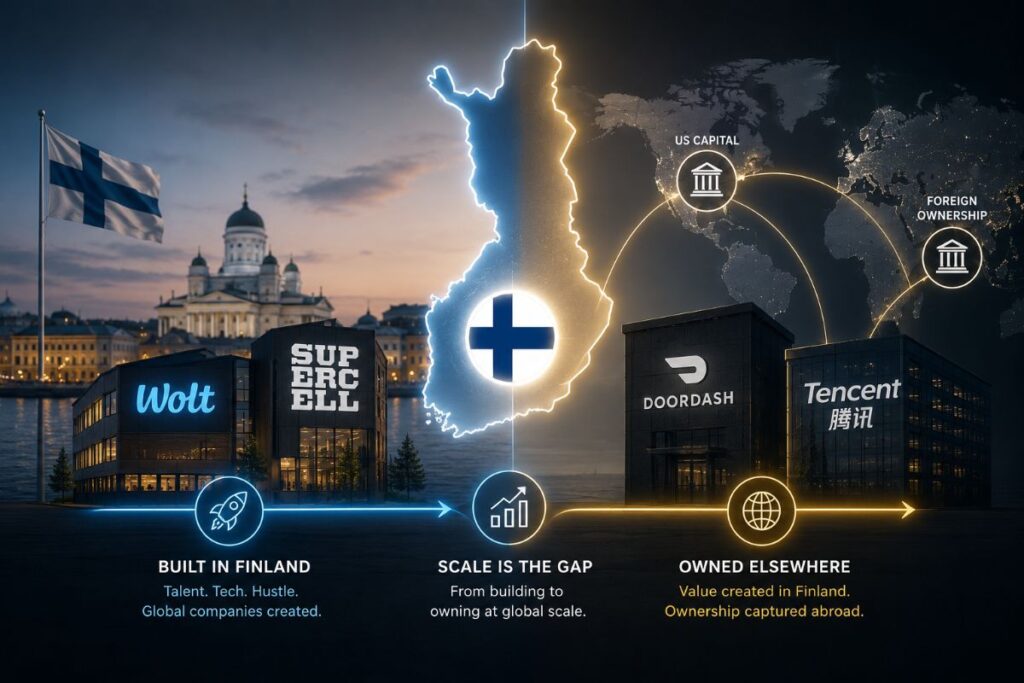
Finland’s national vitality score looks flat, while defence and health tech are growing underneath it. Wolt and Supercell point to another question: not only whether Finland can build, but whether it can keep ownership as companies scale.
Finland Is Already Deciding Who Gets the Electricity. Just Not in One Place
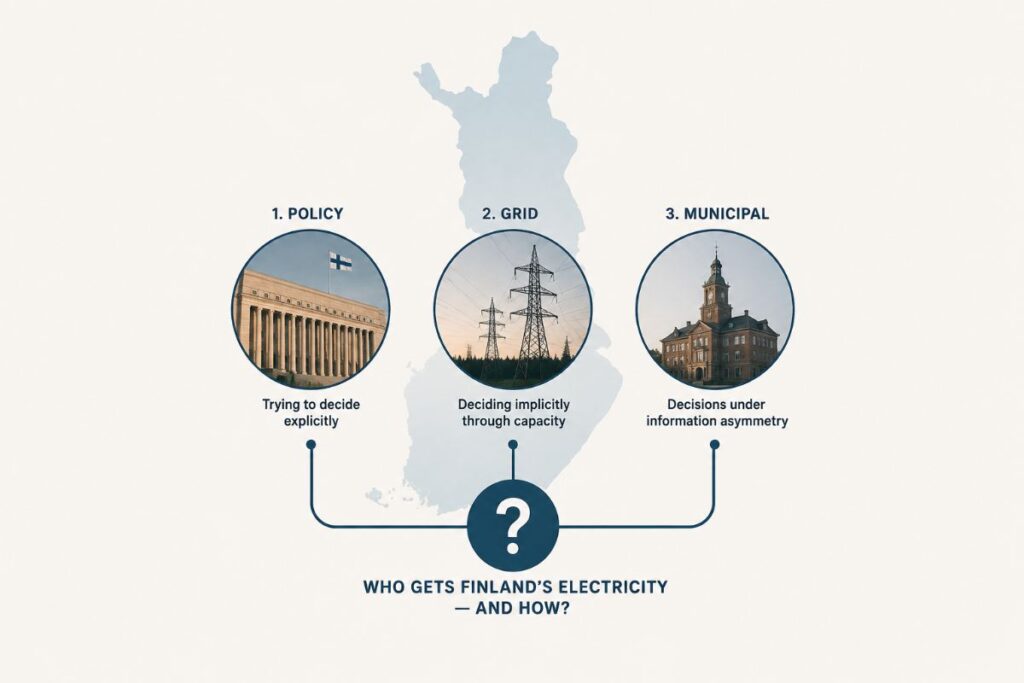
Finland’s data center debate is no longer just about tax. Parliament, grid capacity and municipal decisions are now shaping who gets access to electricity in three very different ways. Together, they show how industrial priorities can emerge before anyone formally decides them.
What Happens When Understanding the Market Becomes Continuous?
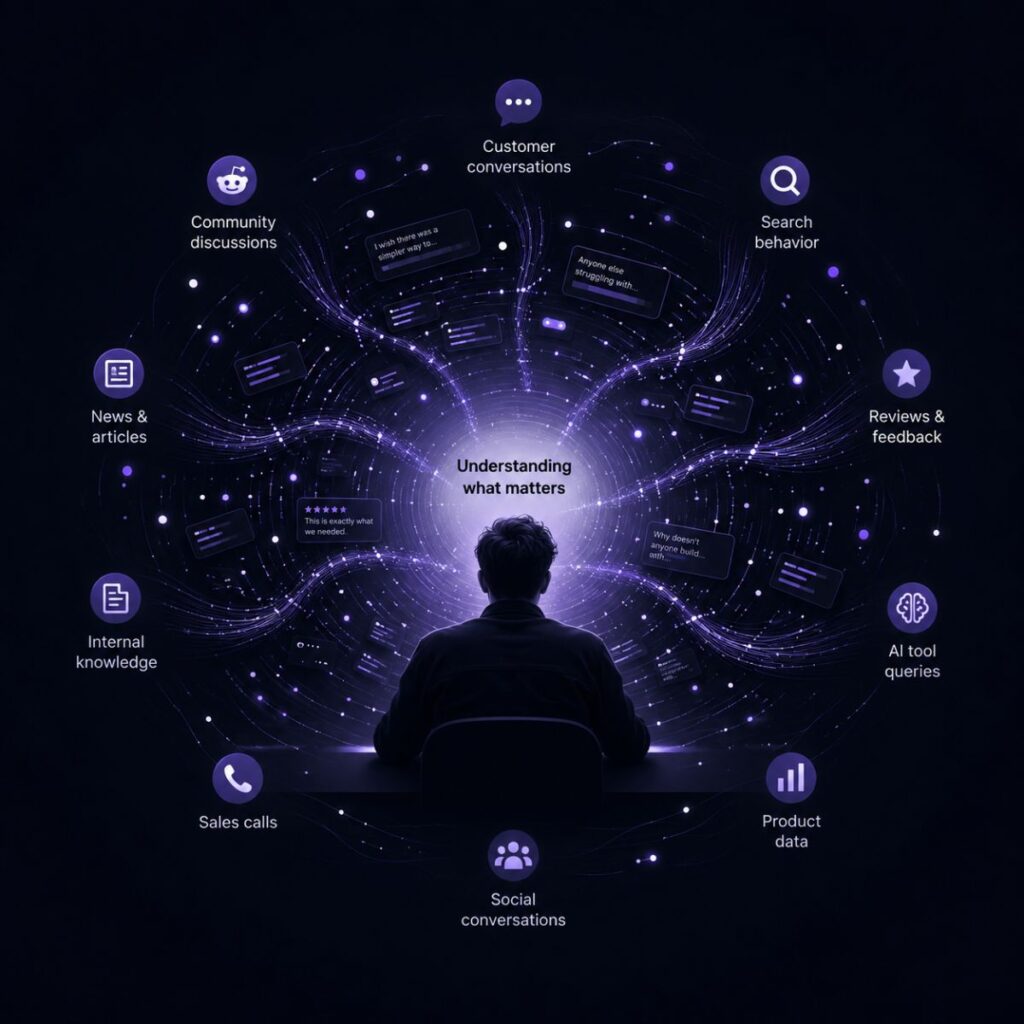
Market research is shifting from a phase to a continuous layer.
The next step is connecting signals across channels around specific questions and decisions.
As information becomes abundant, founder judgment may matter more, not less.
The countries that feel more unequal than they are
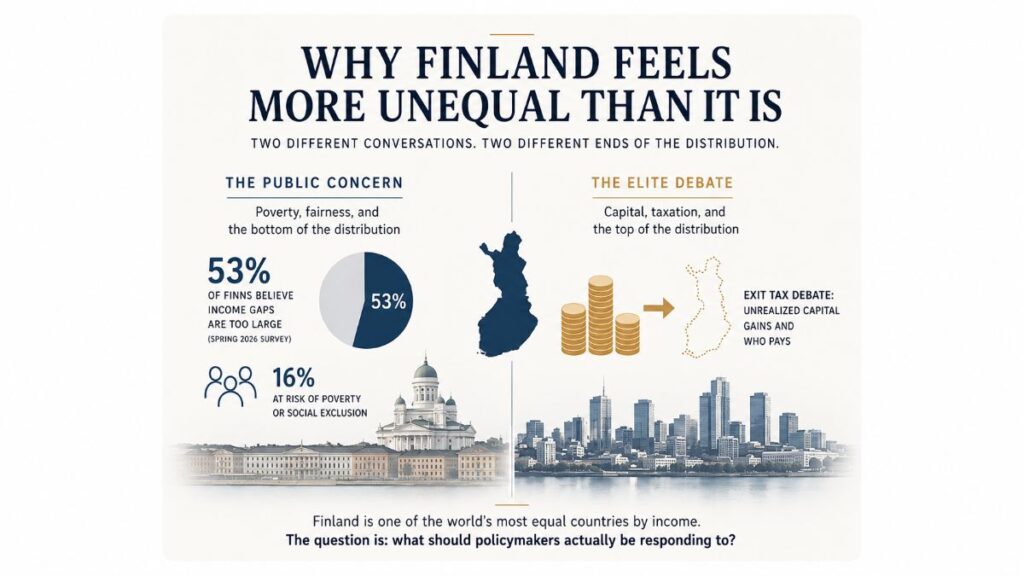
Finland has one of the world’s lowest levels of measured income inequality, yet many believe the gap is too large. Why? Research suggests people react more to perceived unfairness and poverty than inequality itself—raising the question of what policymakers should actually be trying to solve.
The AI Exodus Has Two Explanations. Only One Gets Funded

Two people left Google within the same stretch of 2026, both told their stories to the same reporter, and the stories contradict each other in a way that matters more than either one does on its own.